
BG Pushes the Limits of LNG Ship Design Efficiency
Post date: 18.01.2016 , Views: 242
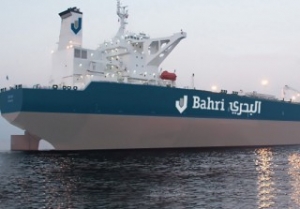 BG Group UK-based oil and gas company BG Group has launched a project called the Blue Amazon liquefied natural gas (LNG) which should optimise LNG ship hull forms aimed at reducing emissions and saving fuel for LNG vessel operators. The project resulted in a visibly different ship shape at the bow, which in turn leads to saving fuel and corresponding emissions by 3–5%. This is important as fuel use is the biggest cost for ship operators, and reducing fuel use significantly lowers emissions, BG Group said. The idea was to achieve the highest level of efficiency by trying to improve upon the best designs currently being built at the shipyards that BG partners with, says Michael Davison, BG Group’s project development manager for ship design and construction. Over 18 months, the Blue Amazon team ran many iterations of computer modelling, testing, and improvements to develop the best design. The computer-generated ship design, of a visibly different shape, was turned into a scale model and tested at facilities at Instituto de Pesquisas Tecnológicas in São Paulo in Brazil. The team modelled sailing in three speeds, two LNG loading conditions, and various wave conditions. Three to five percent savings may not sound much, but if you’ve got a large fleet of say 30, 40 ships, each burning around 80 tonnes of fuel a day, you can imagine the emissions and commercial advantage of such savings. Over a year, a fleet of such ships would be saving approximately 32,000 tonnes of LNG fuel, Davison said. According to BG Group, the final design is expected to be presented in March 2016.