
Drewry: Growing Inbound Trade Drives China’s Port Congestion
Post date: 02.05.2017 , Views: 162
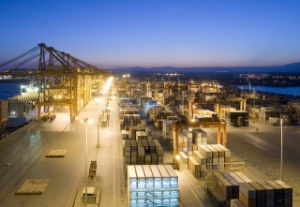 APM Terminals Chinese ports are encountering major congestion brought on by bad weather, the restructuring of alliance networks, ever bigger ships and shippers’ eagerness to move cargo ahead of planned rate increases, according to shipping consultancy Drewry. Another factor is simply that they are struggling under the weight of extra business. Chinas top 10 ports collectively experienced a 6% year-on-year jump in throughput in the first quarter of 2017. It is unlikely to be a coincidence that the ports facing the worst of the congestion registered the biggest gains: Qingdao with 12%, Shanghai with 10% and Ningbo with 9%. Some of these issues, such as the fog and alliance teething pains, will pass over soon enough, Drewry said, but would that reduce the probability of future congestion in some of the worlds busiest container ports? China’s ports have tended not to be over-taxed by long dwell times in terminal yards as boxes tend to be swiftly loaded onto ships for export. However, the fast growing intake of imports could well be putting hitherto unseen pressure on yards in China that as yet they have not adapted to. This has the hallmarks of a longer-term trend that unless remedied by more capacity will continue to put pressure on ports that are already close, if not beyond, their realistic maximum utilisation levels. Ports and terminals around the world, not just China, are being challenged by carriers to adapt to their new demands. In the main they have risen to the task, but to keep products moving without delay requires even more investment and de-fragmentation of neighbouring terminals. Unfortunately, that will not always be possible or financially viable so in the meantime there is a high risk of further vessel and cargo delays, even after the current alliance transition problems, said Drewry.