
Dryad: Pattern Emerging in SE Asia Hijackings
Post date: 04.06.2014 , Views: 296
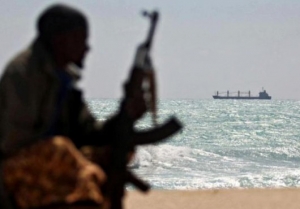
MT Orapin 4, laden with a fuel oil cargo, departed Singapore on May 27, and became the subject of a missing vessel alert the next day, when attempts by her shipping company to contact her failed.
The vessel had been scheduled to transit to Pontianak, Indonesia on May 29, but was hijacked by pirates who damaged communications equipment and subsequently siphoned off the vessel’s fuel oil cargo.
The vessel arrived at an unplanned destination in Sriracha, Thailand on June 1 with the crew reportedly unharmed.
Dryad Maritime’s Chief Operating Officer, Ian Millen said: “The vessel’s last communicated position report, just two hours after departing Singapore, suggests that the hijackers most likely boarded the ship in the Singapore Strait, a body of water densely populated with shipping as well as police and coastguard vessels.
Whilst details at this stage are sketchy, there is good reason to believe that the incident may be linked to other similar crimes over this period.”
Dryad’s Senior Analyst, Stephen McKenzie, expressed concern over the under reporting of such crimes, detailing the similarities between a number of other incidents:
“It is clearly well organised and executed, orchestrated by criminal gangs who are involved in the marine fuel black market across Asia.
The hijackers clearly have knowledge of the operation of radio and satellite communications, along with some proficiency in handling fuel lines other ships’ equipment.”
Dryad Maritime continues to remind operators and masters of product tankers in the region to keep information on vessel movements and cargoes strictly to those that need to know, while recognising that insider information may be at the heart of criminal planning.
They also believe that the threat is unlikely to be dealt with in the near term.
“The key to defeating the criminal gangs involved lies in comprehensive reporting of all such incidents to the IMB and appropriate regional authorities, alongside the sharing of information with local law enforcement.
This kind of threat ultimately needs to be tackled at the point of criminal origin ashore. Once in control of a vessel, it’s just too late,” said Mr. Millen.
Source: dryadmaritime; June 4, 2014
Share this article from World Maritime News Follow World Maritime News via: