
Gallery: Coal-Laden Water Spills from Adanis Australia Terminal
Post date: 13.04.2017 , Views: 212
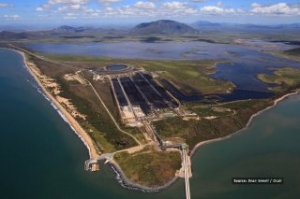 zoom A coal-laden water, which spilled from Australias Abbot Point coal terminal, operated by India-based mining company Adani, has reached the neighboring Caley Valley wetlands and covered the adjacent beach. The thick black sludge of coal, which has flowed into the wetland, is smothering a large area, while the adjacent beach now appears to be scattered with lumps of coal, Australias environmental agencies informed. The wetland has turned coal black. It looks trashed. It’s a tragic and shocking picture of what the future of the Reef coast looks like if we don’t stop digging up coal, Geoff Cousins, Australian Conservation Foundation (ACF) President, said. According to the Australian Marine Conservation Society, the coal spill is now at risk of washing out to the Great Barrier Reef Marine Park, adding even more stress to the crisis-point coral. The Caley Valley Wetlands today are a microcosm of what could happen to our Great Barrier Reef if the Carmichael mine and port go ahead, Imogen Zethoven, AMCS Great Barrier Reef Campaign Director, said. The Carmichael thermal coal mine, proposed by Adani Mining, a subsidiary of Adani Group, represents a AUD 16.5 billion investment in the north of the Galilee Basin in Central Queensland, Australia. If the Reef were a person, it would be crying out for help. In nearly 20 years it has suffered four severe coral bleaching events, 10 severe cyclones and four massive flood events washing huge volumes of pollution into its waters. It cant take much more, Zethoven added. The spill, which can release toxic heavy metals into the water including mercury and selenium, comes in the aftermath of Cyclone Debbie which hit Australias coast in late March. The cyclone was the strongest tropical cyclone in the Australian region since Cyclone Quang in 2015. World Maritime News Staff: Image Courtesy: Dean Sewell/Oculi