
High Air Pollution Levels Found in Icelands Reykjavik Port
Post date: 30.08.2017 , Views: 296
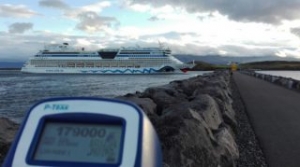 Clean Arctic Alliance Environmentalists are calling for a ban of heavy fuel oil in arctic shipping after air samples taken in Icelands port of Reykjavik showed high concentrations of ultrafine particles (UFPs). Germanys Nature and Biodiversity Union (NABU), in cooperation with Iceland Nature Conservation Association, found that air pollution levels in the wind direction from arriving or departing vessels were up to 1,000 times higher compared to local background concentrations. The environmentalists are critical that ships are allowed to operate on comparatively dirty fuel oil without any exhaust gas cleaning systems. Consequently, exhaust gases from the ships’ engines contain huge amounts of air pollutants such as soot, which also contributes significantly to climate change. The use of dirty heavy fuel oil exposes the near pristine Arctic ecosystems to hazardous environmental risks such as oil spills. Moreover, cruise lines which operate in this area don’t accept the need to spend money on clean fuel and proper exhaust gas technology and therefore accept that they are creating a massive threat to the health of citizens and the environment, Árni Finnsson, Iceland Nature Conservation Association, said. Finnsson added that Iceland should ban dirty ships from its waters. The use and carriage of heavy fuel oil is unacceptable in Arctic waters. The ships must switch to low sulfur fuels and install particulate filters and nitrogen catalysts in order limit the amount of harmful emissions, Dietmar Oeliger, head of transport policy at NABU, said. Heavy fuel oil must be banned to save vulnerable Arctic ecosystems from irreparable damage in case of oil spills, Oeliger continued.