
Moodys Changes US Ports Outlook to Positive
Post date: 17.12.2014 , Views: 140
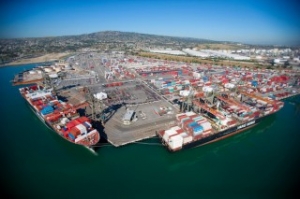 zoomPort of Los Angeles Moodys Investors Service has changed its outlook for the U.S. ports to stable from negative as container volumes continue to recover. Moodys expects U.S. container volumes to rise 2%-3% in 2015, tracking growth in the U.S. economy. The slow but steady recovery in U.S. container volumes will enter its fifth consecutive year in 2015, after declines during the recession, supporting the stable outlook. Container growth supports port credit strength by increasing the revenues from the volume-based fees the ports charge shipping lines. Our new stable outlook is based on the view that the continuing recovery in U.S. container-volume growth is sustainable and that business conditions for global shipping lines, which drive cargo volume, have stabilized, said Myra Shankin, a Moodys Analyst, in 2015 Outlook US Ports. Meanwhile, business conditions for the global shipping lines, the ports largest customers, have stabilized, and growth in shipping capacity will drop in 2016, which will help support prices, according to Moodys. Cost reductions will help drive EBITDA growth for shipping lines in 2014 and 2015, said Moodys Shankin. Since the shipping lines ultimately drive port cargo and revenues, we expect less pressure on shipping lines will translate into less pressure on the ports. Beyond 2015, Moodys expects the gap between winners and losers among the U.S. ports to widen and for the cargo competition to accelerate. Shipping container volumes will shift away from ports unable to accept larger vessels or that are disadvantaged in their locations. Moodys, however, does not expect the expanded Panama Canal, scheduled to open in 2015, to cause a major shift in cargo routes. Manufacturers will continue to ship higher-value, time sensitive cargo from Asia destined for the US using the current, faster route through the West Coast ports. Moodys outlook reflects the rating agencies expectations for the fundamental business conditions in the industry over the next 12 -18 months. Moodys outlook for the US ports had been negative since January 2009. Source: Moodys; Image: Port of Los Angeles