
Nicaragua Canal to Slash Bunker Fuel Costs
Post date: 30.07.2014 , Views: 301
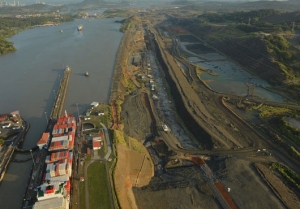 Panama Canal
The Canal is expected to become a major rival to the Panama Canal, which has enjoyed full control on the passage of ships between the Pacific and the Atlantic oceans, as it would save bunker fuel consumption by up to 30%, according to the analysis.
What is more, shippers opting for the Nicaragua Canal would also cut the length of their trip by 6% compared with Panama and by 5.5% compared with Suez, resulting in a significant cost saving, based on data by SeaIntel.
The Canal would be between 230 metres and 520 metres wide and 27.6 metres deep, which would allow it to handle bigger ships than the Panama Canal, adding up to the overall fuel efficiency per cargo unit.
These figures show that using the proposed canal would have a massive cost benefit for Asia-USEC carriers and would likely draw traffic away from the Panama Canal, said Irish Maritime Development Office (IMDO).
A Nicaraguan committee composed of government officials, businessmen and academics gave the green light earlier this month to construction of a shipping canal, a 278 km route that will span from the mouth of the Brito river on the Pacific side to the Punto Gorda river on the Caribbean.
The project is said to be carried out by Hong Kong-based HKND group and is expected to become operational by 2020.
The project had been considered impossible, however the key investor claims that he has the technology that will enable its execution.
The project is set to commence by December, once the necessary environmental and social impact studies are done.
On the other hand, the Panama Canal Expansion project, aimed at welcoming bigger ships, has reached another important milestone with the transfer of the first gates to the new locks complex in the Atlantic side. The expansion program is currently 77% complete.
World Maritime News Staff, July 30, 2014