
North Pacific Route to Become Bussiest Trading Corridor
Post date: 28.01.2015 , Views: 191
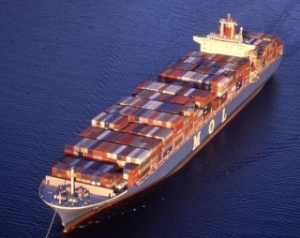 zoom The North Pacific route will surpass the North Atlantic as the world’s most busy trading corridor in terms of freight volume (in tonne-km), growing 100 percentage points faster than the North Atlantic, as shown in International Transport Forums (ITF) Transport Outlook 2015. According to the ITFs findings, the Indian Ocean corridor will see large growth, with international freight transport volumes set to grow more than fourfold by 2050. Average transport distance across all modes are expected to increase 12% in the face of shifting global trade patterns. As a result of volumes quadrupling, CO2 emissions from freight transport will grow by 290% by 2050. Freight will replace passenger traffic as main source of CO2 emissions from surface transport, ITF said during presentation of their findings held on Tuesday at the OECD headquarters in Paris, France. “The foreseeable increase in global freight represents an unprecedented challenge for the world’s transport systems,“ said ITF Secretary-General José Viegas. “Increasing capacity constraints in transport can act as a brake on economic growth. A quadrupling of freight emissions can seriously undermine climate change mitigation.” Viegas pointed to four action items that would help to avoid such a scenario: Improve capacity management: Many freight facilities are underutilised Invest in missing links: More alternative and multi-modal connections increase efficiency Prepare for mega-ships: Adapt infrastructure to more and bigger vessels, including the porthinterland connections Increase vehicle utilisation: Improve load factors and reduce idle times across supply chains. Full report is available here.