
NY NJ Remains Busiest East Coast Port
Post date: 27.07.2017 , Views: 322
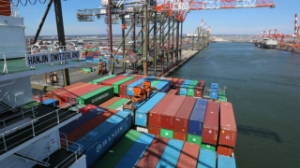 Port of NY & NJ Cargo volumes in the Port of New York and New Jersey are on record pace for 2017 as the first six months of this year were 4.4 percent higher than the same period in 2015, when the earlier record was set. Between January and June this year, the port handled 3,229,675 TEUs, compared to 3,041,287 TEUs handled in 2016 and 3,093,789 TEUs seen in 2015. In June alone, the port handled 584,606 TEUs, marking its best June on record and the second highest monthly volume ever recorded in the port. The Port of New York and New Jersey said that the record volumes have allowed the port to maintain its position as the busiest on the East Coast. Cargo handled by ExpressRail, the ports ship-to-rail system serving New York and New Jersey marine terminals, also continued to increase. During the first six months of 2017, ExpressRail handled 273,991 lifts, up 2.8 percent from the previous record in 2016, when 266,624 lifts were handled. Furthermore, this summers completion of navigational clearance on the USD 1.6 billion Bayonne Bridge project was a major game changer for this port, and we believe will be a catalyst for continued port growth as the world’s biggest, modern, fuel efficient vessels can now call on our terminals, Molly Campbell, Port Department Director, said. Moving forward, we will continue to work with all our stakeholders to further enhance our ability to handle these record levels of cargo to maintain our designation as the East Coast’s premier port, Campbell added. In addition to cargo containers, the port also reported a 7.7 percent increase in vehicles handled by auto processors serving the port – from 245,765 units handled in 2016 to 264,766 units handled in 2017. The increase is due in part to the Auto Incentive Program launched in 2014 to provide financial incentives to auto manufacturers who bring new or increased vehicle business to the port.