
PETRONAS Floating LNG2 Floated Out
Post date: 10.05.2016 , Views: 347
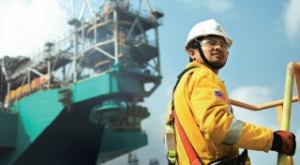 Petronas Samsung Heavy Industries (SHI) shipyard in Geoje Island, South Korea has launched PETRONAS Floating LNG2 (PFLNG2). The 393-metre-long hull was floated out from the Green Dock 3 on 30 April 2016 to anchor at the quayside of the SHI shipyard signifying the near completion of the hull construction which commenced in June 2015. “We take great pride in achieving this important milestone. The many lessons learnt from the design and construction of PFLNG Satu have been applied to PFLNG2. I look forward to the successful completion of PFLNG2 and must thank the project team JGC and SHI for the good job,” said PETRONAS’ Advisor of Global LNG Project – Project Delivery and Technology, Datuk Abdullah Karim. PETRONAS, together with JGC Group and SHI, the consortium leading the engineering, procurement, construction, installation and commissioning of the PFLNG2, commemorated the milestone with a pledge to deliver the PFLNG2 on schedule with safety as top priority. Once completed PFLNG2 has a collective weight of 134,000 tonnes and will enable the liquefaction, production and offloading processing of natural gas in the Rotan field, 240 kilometers offshore Sabah. Designed for water-depth between 500 metres to 1500 metres deep and a processing capacity of 1.5 million tonnes per annum (mtpa), PFLNG2 will strengthen PETRONAS’ global LNG portfolio and add to its reputation as a preferred and reliable LNG supplier. Both PFLNG Satu and PFLNG2 are anticipated to be significant game changers in the LNG business landscape as they pave the way to unlocking gas reserves from remote, marginal and stranded gas fields, which would otherwise be uneconomical to develop.