
Vale, Fortescue Join to Stay Competitive in China
Post date: 08.03.2016 , Views: 150
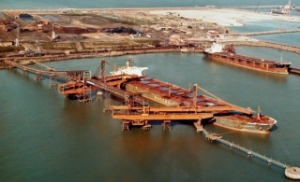 Vale Brazilian mining giant Vale and its Australia-based counterpart Fortescue Metals Group, operating in the Pilbara region, have teamed up to enhance competitiveness in their operations, as they fight for a market piece of the Chinese steel industry. The two companies signed a Memorandum of Understanding (MoU) under which they will form one or more joint ventures for the blending and distribution of Vales and Fortescues products in China in order to catch up on their competition, namely, BHP Billiton and Rio Tinto, whose product is of better-quality than Fortescues and closer to China than Vales, Bloomberg informs. The contract will also give Vale the option to undertake joint mining developments together with Fortescue in Australia as well as to take a minority stake of some 5 to 15 percent in Fortescues holding company. The Memorandum of Understanding is one more important step towards optimizing Vale´s supply- chain, creating new platforms for future mine development and offering a new world-class alternative product to the Chinese steel industry. We are looking more than 10 years ahead, Peter Poppinga, Vales Executive Director for Ferrous Minerals, said. The MoU is subject to agreement on the final terms of any resulting transaction documents and receipt of all required approvals. The news comes on the back of Pilbara Ports Authoritys latest monthly throughput report. The port said that the exports were in line with last years numbers as Port Hedland exported 36.6Mt of iron ore during February, of which 27.9Mt was sent to China alone. The structural shifts in China’s economy, which caused a slowdown in imports, characterized the dry bulk shipping market in 2015. This in turn negatively affected the freight rates which have already hit new historical lows this year, IHS Maritime & Trade reports.