
White House Proposes Stricter Rules to Prevent Oil Spills
Post date: 14.04.2015 , Views: 291
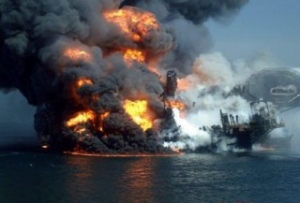 zoomDeepwater Horizon The Obama administration has proposed tightened well control regulations aimed at ensuring better protection of both human lives and environment from oil spills. The proposal comes in response to the findings of investigations into the Deepwater Horizon spill that unleashed 3.19 million bbl. of oil into the Gulf of Mexico in 2010, and following an evaluation of recommendations from industry groups, equipment manufacturers, federal agencies, academia and environmental organizations, the US Interior Department said. The measures include more stringent design requirements and operational procedures for critical well control equipment used in offshore oil and gas operations. “Both industry and government have taken important strides to better protect human lives and the environment from oil spills, and these proposed measures are designed to further build on critical lessons learned from the Deepwater Horizon tragedy and to ensure that offshore operations are safe,” said Secretary of the Interior Sally Jewell. This rule builds on enhanced industry standards for blowout preventers to comprehensively address well design, well control and overall drilling safety.” The proposed rule, which will be open for public comments for 60-day period that begins April 15th, addresses the range of systems and equipment related to well control operations. The measures are designed to improve equipment reliability, building upon enhanced industry standards for blowout preventers and blowout prevention technologies. The rule also includes reforms in well design, well control, casing, cementing, real-time well monitoring and subsea containment. There are more floating deepwater drilling rigs working in the Gulf of Mexico today than prior to the Deepwater Horizon spill, and drilling activity is expected to steadily increase over the coming year. As the legal saga on one of the worst environmental disasters closes in numerous questions remain especially with respect to the future Gulf restoration activities and repairing of the inflicted damage to both the coastal communities and the environment.